
It's Easy to Dismiss Jev as Just a Classifier
It’s easy to hype and dunk on Jev. I saw a lot of interesting demos in the last few days. And I also read a lot of dismissals in the last few days. I think the truth lies somewhere between these two extremes.
I.e., it’s easy to dismiss Jev as “just a classifier.”
The exact model and training algorithm are not disclosed. But if I had to make an educated guess, it’s likely:
- a small encoder-style model like (Modern)BERT;
- trained with something similar to Reinforcement Learning with Calibration Reward (from the Beyond Binary Rewards: Training LMs to Reason About Their Uncertainty paper).
Many people (me included) have been training encoder-style models for classification for many years. Fact is that they were usually special-purpose and limited in some way.
Jev’s impressive breakthrough is that it generalizes so well (you can use it to classify emails, play video games, trade stocks…).
And I’d say the secret sauce is probably more in the data than in the training algorithm. (Plus a nice API design on top of it.)
Yeah, it’s not the first project where someone applied RL to a (likely) non-autoregressive, encoder-style model.
But what’s impressive is that it works and generalizes so well, which can make all the difference. I.e., we saw the same thing with Stable Diffusion (based on an existing research paper) not too long ago, or even with the 2022 ChatGPT launch itself (an improved version of InstructGPT, where the data made all the difference).
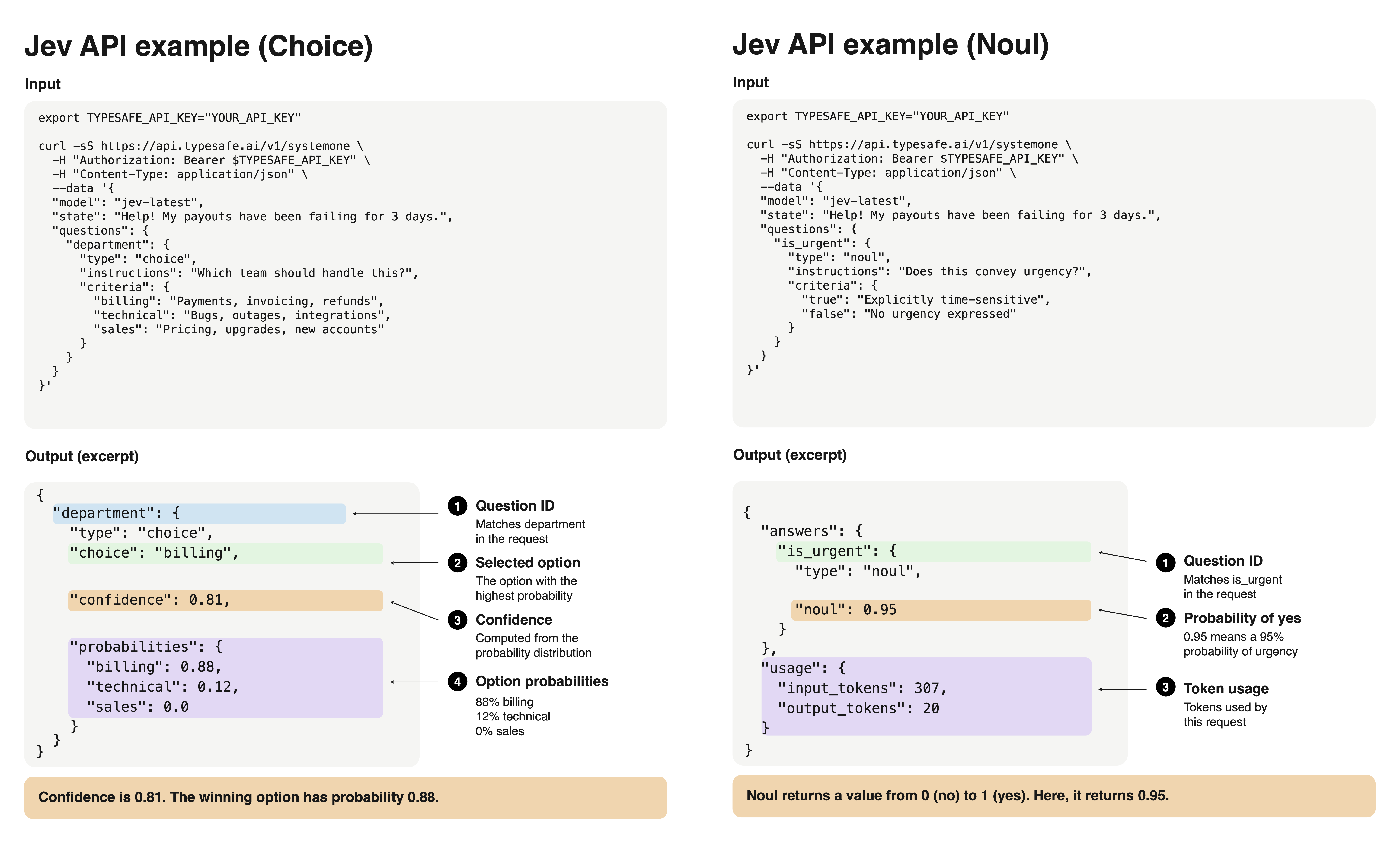
Source: website version of my LinkedIn post.
Read Next
 Focusing on Post-Training
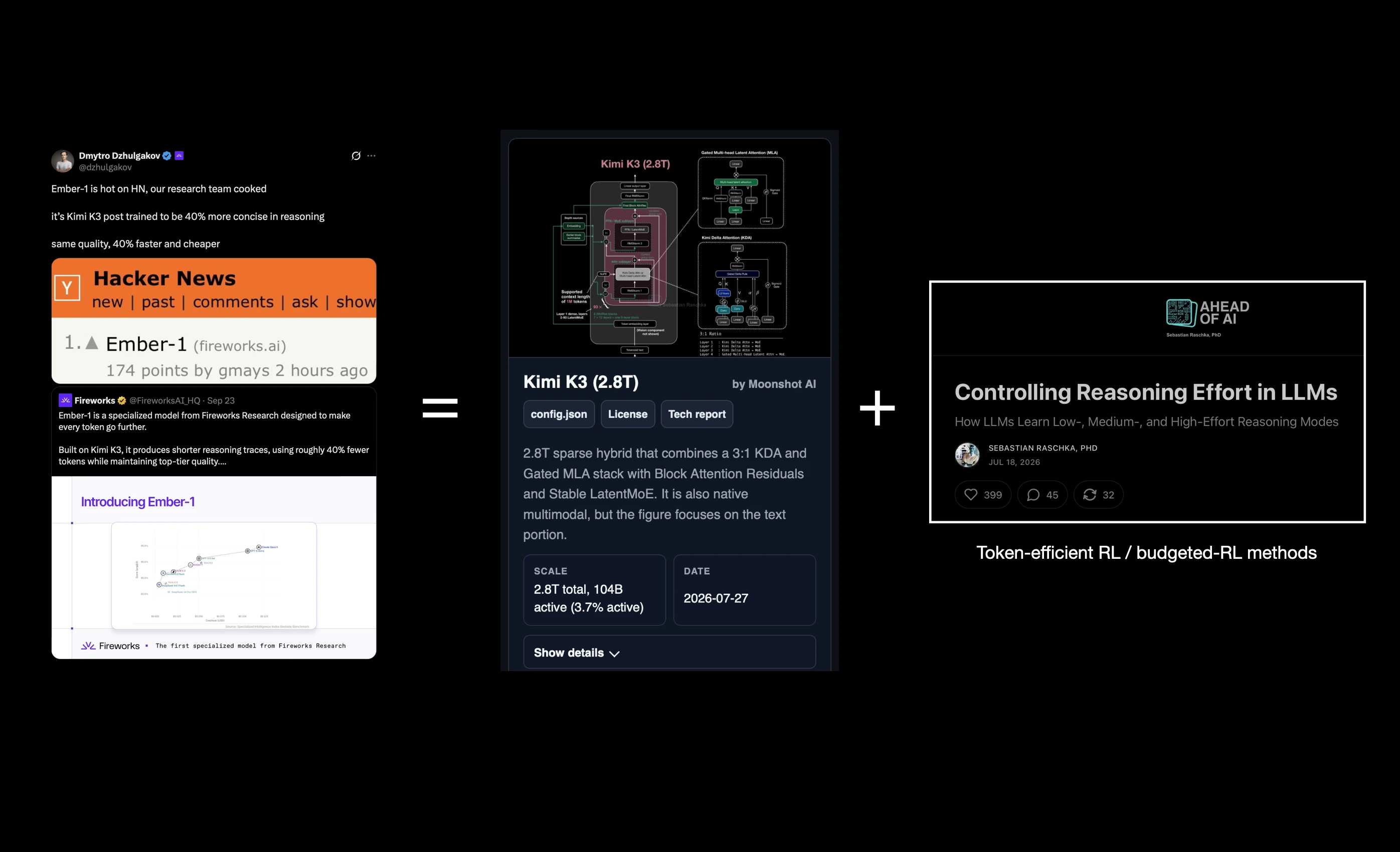
Why I'd invest in post-training existing open-weight LLMs, with Fireworks' Ember-1 as an example of more token-efficient reasoning.
Focusing on Post-Training
Why I'd invest in post-training existing open-weight LLMs, with Fireworks' Ember-1 as an example of more token-efficient reasoning.
 MiMo-V2.6 Pro Architecture and Training Notes
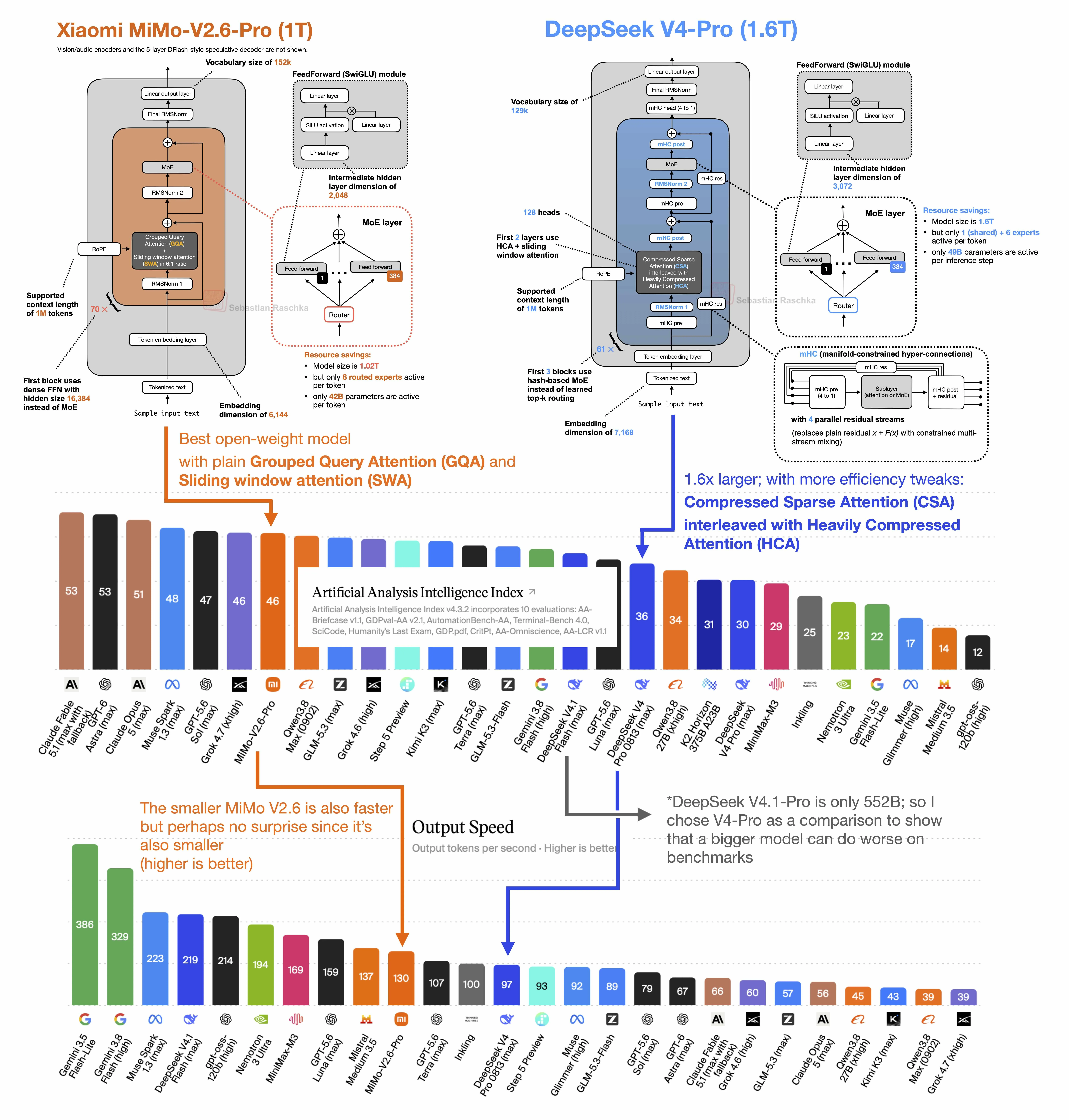
Notes on MiMo-V2.6 Pro's GQA and sliding-window attention, agent training tasks, reward signals, and large RL batches.
Pacing != Pacing Development
My take on AI model pacing as a framework for release checks and the competitive pressure around model releases.
MiMo-V2.6 Pro Architecture and Training Notes
Notes on MiMo-V2.6 Pro's GQA and sliding-window attention, agent training tasks, reward signals, and large RL batches.
Pacing != Pacing Development
My take on AI model pacing as a framework for release checks and the competitive pressure around model releases.